
Mold Rust, Corrosion, Pitting? Meto Steel Selection for rPET Materials
Mold Rust, Corrosion, Pitting? Meto Steel Selection for rPET Materials
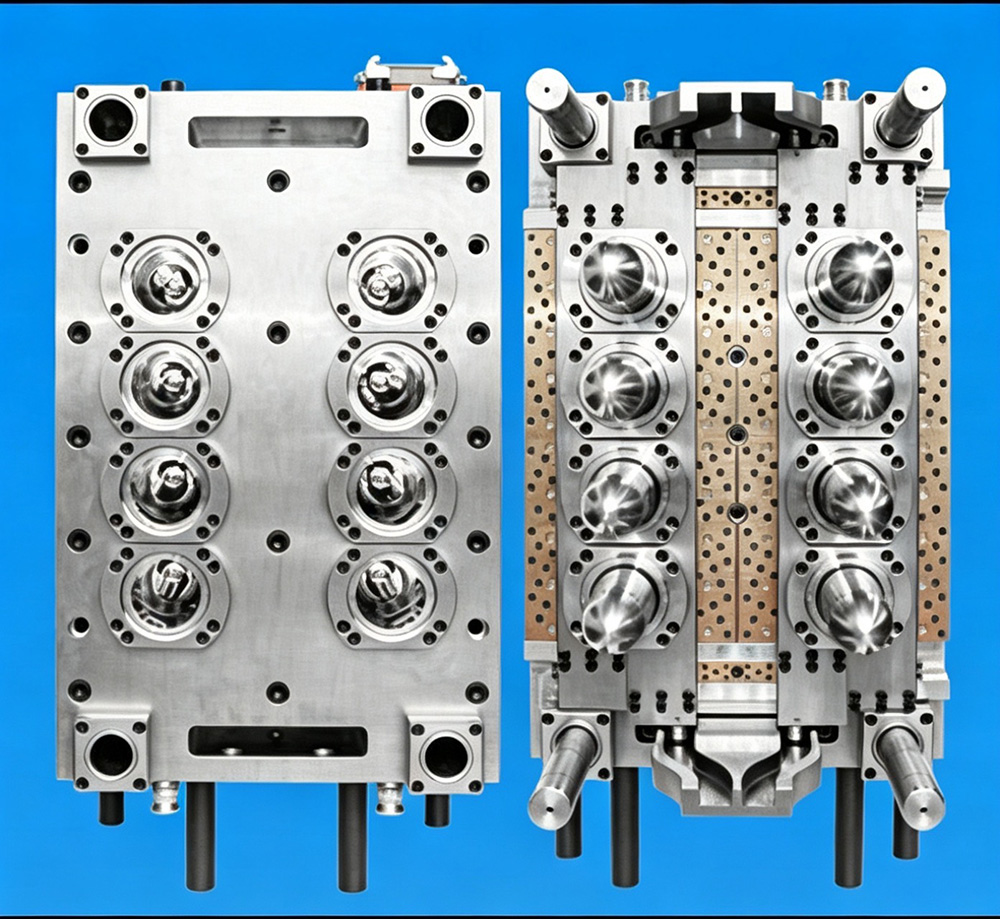
The shift to rPET and recycled materials is changing the demands on molds. Virgin PET is relatively clean. rPET contains contaminants, degradation byproducts, and chemical residues that attack mold steel. Many mold owners are discovering that their molds are rusting, corroding, or pitting much faster than before.
This is not a manufacturing defect. It is a material mismatch. The steel that worked well for virgin PET may not survive rPET processing.
This article explains why rPET causes corrosion and pitting. It shows which steel grades resist these attacks. It provides practical recommendations for selecting mold steel for rPET applications.
Part 1: Why rPET Attacks Molds
rPET is more aggressive than virgin PET for several reasons.
First, rPET contains degradation byproducts. PET degrades during recycling. The degradation releases acetic acid and other organic acids. These acids are corrosive to standard mold steels.
Second, rPET may contain contamination. Labels, adhesives, and other materials can remain in the recycled stream. These contaminants can create chemical environments that attack steel.
Third, rPET often has higher moisture content. PET is hygroscopic. Recycled material may absorb more moisture than virgin material. During processing, moisture creates acidic environments.
Fourth, rPET processing requires different conditions. Higher temperatures or longer residence times may be needed. These conditions accelerate corrosion.
When rPET is processed, the mold cavity is exposed to these corrosive conditions every cycle. Over time, the steel surface degrades.
Part 2: Understanding Mold Corrosion and Pitting
Corrosion is the gradual destruction of steel by chemical reactions. For molds, corrosion appears as surface roughening, discoloration, or material loss.
Pitting is a localized form of corrosion. Small pits form on the steel surface. These pits can be 0.1 to 1.0 millimeters in diameter. They may be invisible to the naked eye at first. Over time, they grow deeper.
Pitting is especially dangerous for molds. A pit creates a surface defect. The pit transfers to the preform or cap. The part has a small surface defect. For cosmetic bottles, this is unacceptable. For sealing surfaces, it causes leakage.
Pitting is caused by the breakdown of the passive layer on stainless steels. This breakdown often occurs due to chloride exposure or acidic environments . Once the protective layer is broken, a small pit forms. The pit becomes a localized anode. The surrounding steel becomes a cathode. This creates a self-sustaining corrosion cell that deepens the pit .
The pitting resistance of stainless steel depends on its composition. Higher chromium, molybdenum, and nitrogen content all improve pitting resistance .
Part 3: Steel Grades for rPET Molds
For rPET processing, stainless steel is the preferred choice. Stainless steels resist corrosion because they contain chromium. At around 12 percent chromium, a chromium oxide passive layer forms on the surface. This layer protects the steel from corrosion .
The most common stainless steel grade for rPET molds is 1.2083, also known as AISI 420. Hardness is 48 to 52 HRC. Corrosion resistance is high. Wear resistance is good. Polishability is excellent. Expected life in rPET applications is 5 to 7 million cycles.
ZSM Mould, a professional PET preform mold manufacturer, recommends premium stainless steels such as S136 and 1.2083 for corrosion resistance in rPET environments . For structural components, they use through-hardened steels like H13 and 1.2344.
A higher grade is 1.2316. This is a stainless steel with higher chromium and molybdenum content. Corrosion resistance is better than 1.2083. It is suitable for very aggressive rPET applications.
For extreme corrosion resistance, 17-4PH is another option. This precipitation-hardening stainless steel offers both high strength and excellent corrosion resistance. It is recommended for inserts and cavities exposed to the most corrosive conditions .
For mold bases and mechanical parts that do not contact the plastic directly, 1.2085 is an option. This stainless steel provides good corrosion resistance at lower cost. It is suitable for holders and structural components .
Part 4: Steel Grade Comparison for rPET
| Steel Grade | Type | Corrosion Resistance | Wear Resistance | Best For |
|---|---|---|---|---|
| 1.2083 (AISI 420) | Martensitic stainless | Good | Good | Standard rPET preform molds |
| S136 (1.2083 modified) | Martensitic stainless | Good | Good | Higher polish requirements |
| 1.2316 | Martensitic stainless | Better | Good | Aggressive rPET |
| 17-4PH | Precipitation-hardening stainless | Excellent | High | Extreme corrosion conditions |
| 1.2085 | Martensitic stainless | Moderate | Moderate | Mold bases, holders |
For standard rPET preform molds, 1.2083 or S136 is recommended. These provide a good balance of corrosion resistance, wear resistance, and cost.
For cap molds running rPET, 1.2083 or 1.2316 is recommended. The thread area is especially vulnerable to corrosion and wear.
For blow molds running rPET, 1.2083 is recommended. The cavity surface must remain smooth for bottle clarity.
Part 5: Surface Finish and Corrosion Resistance
Surface finish affects corrosion resistance. Smoother surfaces are more corrosion resistant. A rough surface has more sites for corrosion to start.
One study showed that electropolished surfaces have significantly better pitting resistance than ground surfaces. The critical pitting temperature of 904L increased with increasing surface smoothness .
Meto recommends a surface finish of Ra 0.2 microns or better for rPET molds. For cosmetic and food contact applications, Ra 0.05 to 0.1 microns is recommended.
Stainless steels with high polishability are preferred for rPET applications. The polished surface is easier to clean. It has fewer sites for corrosion to start. It produces smoother preforms.
Part 6: Heat Treatment for Stainless Steels
Heat treatment is critical for stainless steel performance. Poor heat treatment ruins good steel.
For 1.2083, the recommended heat treatment is quenching and tempering. Hardness target is 48 to 52 HRC. Double tempering ensures stable microstructure.
Vacuum heat treatment is recommended. Vacuum prevents oxidation. It maintains the chromium oxide passive layer. It produces clean, bright surfaces.
Meto performs vacuum heat treatment for all stainless steel molds. Hardness is verified on every cavity. Documentation is provided to the customer.
Part 7: Surface Treatments for rPET Molds
Surface treatments can further improve corrosion resistance.
Plasma nitriding adds a hard surface layer to the steel. For rPET molds, nitriding provides wear resistance but may reduce corrosion resistance. It is not recommended for applications where corrosion is the primary concern.
PVD coating adds a thin ceramic layer. TiN, CrN, and AlTiN coatings are available. These coatings provide both wear resistance and corrosion protection. However, they are expensive. They are typically reserved for extreme applications.
Stainless steel itself provides corrosion resistance. Additional surface treatments are usually not needed for rPET applications.
Part 8: Common Mistakes with rPET Molds
Mistake one is using the same steel for rPET as for virgin PET. H11 works well for virgin PET. It may pit and corrode with rPET. Use stainless steel for rPET applications.
Mistake two is ignoring moisture control. rPET may need more drying than virgin PET. Ensure moisture content is below 0.005 percent.
Mistake three is using aggressive cleaning chemicals. Some chemicals can damage the passive layer on stainless steel. Use pH neutral cleaners.
Mistake four is not polishing the cavities enough. Rough surfaces are more susceptible to corrosion. Ensure surfaces are polished to Ra 0.2 microns or better.
Mistake five is neglecting cooling water quality. Poor water quality causes corrosion on the outside of the mold. Use treated water with corrosion inhibitors.
Part 9: Meto rPET Mold Design Features
Meto incorporates several design features for rPET molds.
Stainless steel is used for all cavities and cores. 1.2083 or higher grades are standard for rPET.
Cooling channels are designed for easy cleaning. Corrosion can occur inside cooling channels. Clean cooling channels prevent buildup that can cause hot spots.
Venting is optimized for rPET. Degradation gases from rPET need to escape. Proper venting prevents gas compression and burning.
Surface finish is specified at Ra 0.2 microns or better. The polished surface resists corrosion and improves release.
Part 10: Real Customer Examples
A juice bottle producer in Europe was using H11 preform molds with 30 percent rPET content. After 1.2 million cycles, the cavities showed pitting. The pits transferred to the preforms. The customer switched to Meto 1.2083 stainless steel molds. After 3.5 million cycles, no pitting was observed.
A cap manufacturer in South America was using H11 cap molds with 25 percent rPET. Thread wear was accelerated by corrosion. The customer switched to Meto 1.2083 cap molds. Thread life increased by 60 percent.
A blow mold customer in North America was producing bottles with 50 percent rPET. Their standard blow molds showed surface roughening after 1.5 million cycles. Meto supplied stainless blow molds. After 3 million cycles, the surface remained smooth.
Part 11: Cost vs. Life Comparison
Stainless steel molds cost more than H11 molds. But they last longer in rPET applications.
For a 32 cavity preform mold, H11 steel costs approximately 50,000 US dollars. Expected life with rPET is 2 to 3 million cycles before corrosion damage.
1.2083 stainless steel costs approximately 58,000 US dollars. Expected life with rPET is 5 to 7 million cycles.
The stainless mold costs 8,000 US dollars more. It lasts 3 to 4 million cycles longer. Over the mold life, the stainless mold is more economical.
Part 12: Meto rPET Mold Guarantee
Meto guarantees that stainless steel molds will resist corrosion and pitting in rPET applications. This guarantee applies when the mold is used with properly dried rPET and normal processing conditions.
If corrosion or pitting occurs within the expected life of the mold, Meto will repair or replace the affected components at no cost.
Part 13: Summary of Recommendations
For rPET preform molds, use stainless steel 1.2083 or S136. Hardness is 48 to 52 HRC. Surface finish is Ra 0.2 microns or better.
For rPET cap molds, use stainless steel 1.2083 or 1.2316. Thread inserts should be stainless steel.
For rPET blow molds, use stainless steel 1.2083. Cavity surface should be highly polished.
Ensure proper heat treatment with vacuum quenching and double tempering. Verify moisture content of rPET before processing. Use clean cooling water with corrosion inhibitors. Clean molds regularly with pH neutral cleaners.
Part 14: Conclusion
rPET is the future of bottle packaging. But it is harder on molds than virgin PET. Standard mold steels can corrode and pit, causing surface defects and reducing mold life.
Stainless steel is the solution for rPET molds. 1.2083 is the standard choice. It provides good corrosion resistance, wear resistance, and polishability. 1.2316 offers better corrosion resistance for aggressive applications.
Meto designs and manufactures stainless steel molds specifically for rPET processing. Our molds resist corrosion and pitting. They produce consistent, high quality preforms and caps. They last millions of cycles.
If you are processing rPET, talk to Meto. We will recommend the right steel grade for your application. We will design your mold for corrosion resistance. We will help you avoid rust, corrosion, and pitting.
Contact Meto today to discuss your rPET mold requirements. Send your material specifications and production volume. We will provide a steel recommendation and quotation.

Ruby
We can provide you with high-quality PET preform molds,cap molds,and blow molding machines.Looking forward to communicating and cooperating with you!
Helpline and Support
008613757660057